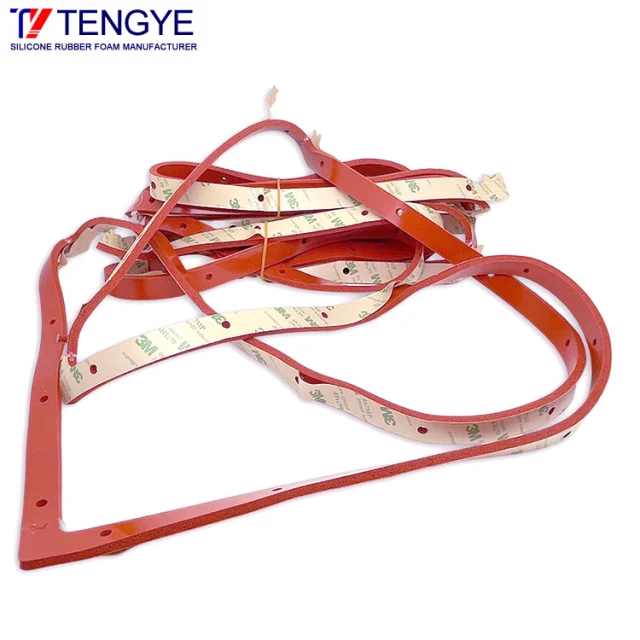
Silicone foam seal strips have evolved beyond mere auxiliary components. They are now imperatives in construction, automotive, and electronic industries, to name a few. Market analysts predicted an unrelenting growth and the current year, 2024, has solidified those projections. This surge can be attributed to the increasing awareness of environmental sustainability.
A key driver in the growth of demand is the quest for energy-efficiency standards. The architectural door and window industry, for instance, are pivoting to silicone foam seal strips to meet stringent energy performance criteria worldwide. Additionally, the automotive industry's shift from internal combustion engines to electric vehicles has catalyzed the use of silicone foam seal strips in battery pack sealing, dampening, and insulation applications.
However, it's not just new developments that are propelling demand. Retrofitting and refurbishment projects also clamor for these strips, underscoring the retrofit market as a crucial factor in sustained demand growth. The aging building stock and automotive fleets globally are seeking modern solutions to revitalize their performance, and silicone foam seal strips are answering the call.
Consumers are increasingly discerning about the products they purchase. In the case of silicone foam seal strips, the emphasis lies on quality, material sustainability, ease of installation, and customization. Longevity and performance at extreme temperatures are also critical factors influencing purchasing decisions.
The modern consumer seeks more than just a functional solution; aesthetics are playing a significant role. With houses and vehicles serving as personal expressions, there's a growing demand for silicone foam seal strips that come in a variety of colors and textures to blend seamlessly with the design ethos.
Understanding market needs and evolving with consumer demands is vital for manufacturers. The end user's satisfaction with the product directly impacts brand loyalty and promotes word-of-mouth referrals, which are indispensable in a burgeoning market segment.
The market is teeming with a vast array of silicone foam seal strip offerings; hence, it becomes imperative for companies to differentiate themselves. Competitive strategies include innovation in material science, design, manufacturing processes, and strategic partnerships. Manufacturers are pushing the envelope by developing seals with enhanced performance metrics:
To maintain a competitive edge, companies cannot solely rely on product attributes. They must offer comprehensive services, like technical support and after-sales services. Additionally, developing global distribution channels and reaching untapped markets is essential to scale and grow in the competitive landscape.
Pricing in the silicone foam seal strip market is multifaceted. Buyers are not only conscious of the upfront costs but also consider the longer-term benefits, such as reduced maintenance and energy savings. With a product such as silicone foam seal strips, perceived quality plays a pivotal role in pricing and purchasing decisions.
Cost leadership strategies are prominent, especially among new entrants. However, companies that have established a brand and reputation for quality are able to command premium pricing. To balance the equation between cost and quality, it is pertinent to undertake a robust cost-benefit analysis and communicate the value proposition effectively to the consumer base.
In addition, the offering of pricing models that align with the customer's business realities, such as flat-rate pricing or volume-based discounts, could be a potent tool to capture market share and maintain customer satisfaction.
The silicone foam seal strip market is set to become more competitive as new players and innovations emerge. Sustainable production methods, circular economy practices, and the use of eco-friendly materials are anticipated trends that could significantly shape the industry.
Market forecasts also suggest that the customization trend will intensify, with more companies offering tailor-made solutions for specific applications. This personalization can enhance customer experience and further solidify brand loyalty.
Looking ahead, regulatory shifts in various sectors, such as building codes and safety standards, will continue to influence the demand for silicone foam seal strips. Staying abreast of these changes and proactively adapting product lines will be crucial for the sustained success of businesses operating in this domain.
The market for silicone foam seal strips is not just growing; it's redefining the spaces we live, work, and travel in. Its trajectory is a representation of the growing importance accorded to comfort and sustainability. Manufacturers that understand these dynamics and align their strategies are well-placed to capitalize on the opportunities presented by this resilient market segment.


